
Winter in Northeast Ohio can be tough on commercial vehicles and equipment. Between freezing temperatures, snow, slush, road salt, and constant exposure to moisture, trucks and machinery face conditions that can affect both their appearance and long-term condition.
For businesses that depend on their fleets every day, keeping vehicles clean is about more than maintaining a professional image. Dirt, salt, and road grime can accumulate on exterior surfaces, undercarriages, wheels, and other exposed components. Without regular attention, that buildup can contribute to corrosion and make routine inspections more difficult.
Fleet power washing is a practical part of winter preparation. Whether your business operates semi trucks, delivery vehicles, construction equipment, or service trucks, professional cleaning can help you get ahead of winter buildup and maintain your equipment throughout the colder months.
Commercial vehicles spend significant time on the road, often in conditions that passenger vehicles rarely experience. During Northeast Ohio winters, trucks encounter road salt, deicing chemicals, mud, slush, and moisture on a daily basis.
These materials can accumulate in hard-to-reach areas, including wheel wells, frames, steps, and lower body panels.
Road salt is particularly concerning because chloride residues can accelerate corrosion when moisture is present. Over time, corrosion can affect exposed metal components, fasteners, and other vulnerable areas.
Regular washing helps remove these contaminants rather than allowing them to remain on vehicle surfaces for extended periods.
For fleet managers, establishing a cleaning routine before winter begins can make it easier to stay ahead of these seasonal challenges.
Before snow and salt become part of the daily forecast, take the opportunity to give your fleet a thorough cleaning.
Vehicles that have been working throughout spring, summer, and fall may already have accumulated dust, grease, mud, insects, and road grime. Adding winter contaminants on top of that existing buildup makes cleaning more difficult.
A pre-winter wash provides a fresh starting point.
Professional fleet power washing can help remove accumulated exterior dirt and grime so vehicles enter the winter season in better condition.
Cleaning also makes it easier to identify visible maintenance concerns, including damaged panels, loose components, and areas where corrosion may already be developing.
Although washing does not replace mechanical inspections or preventive maintenance, it can support a more thorough approach to fleet care.
One of the biggest reasons to maintain a regular washing schedule during winter is road salt.
Salt helps make roads safer during freezing conditions, but it can also create problems for vehicles that are exposed to it repeatedly.
Salt residue can collect around:
When these areas remain coated in salt and moisture, corrosion risks can increase.
Removing salt regularly helps reduce the amount of time corrosive residue remains on exposed surfaces. However, washing should always be performed under suitable weather conditions, with appropriate attention to drainage and freezing temperatures.
Fleet cleaning isn't limited to trucks traveling on highways.
Construction equipment, trailers, agricultural machinery, and other commercial equipment also collect significant amounts of dirt and debris throughout the year.
Mud, grease, dust, and organic material can accumulate around equipment exteriors, making it harder to inspect certain components or identify developing problems.
Before winter storage or continued cold-weather operation, cleaning accessible exterior surfaces can be a useful maintenance step.
The appropriate cleaning method depends on the equipment. Sensitive electrical components, bearings, seals, hydraulic connections, and other vulnerable areas may require special precautions.
Professional cleaning should account for those differences rather than applying the same pressure to every surface.
Your fleet represents your business wherever it goes.
Whether trucks are delivering products, transporting materials, visiting job sites, or traveling between customers, their appearance contributes to the impression people have of your company.
Dirty vehicles may be unavoidable during an active winter storm, but a consistent cleaning routine demonstrates attention to maintenance and presentation.
A clean fleet also helps company branding, vehicle graphics, and identifying information remain visible.
For businesses throughout Canton, Akron, Massillon, Wooster, and surrounding Northeast Ohio communities, professional fleet cleaning can support a consistent appearance even during the messiest months of the year.
Transporting multiple commercial vehicles to an off-site washing facility can take time away from daily operations.
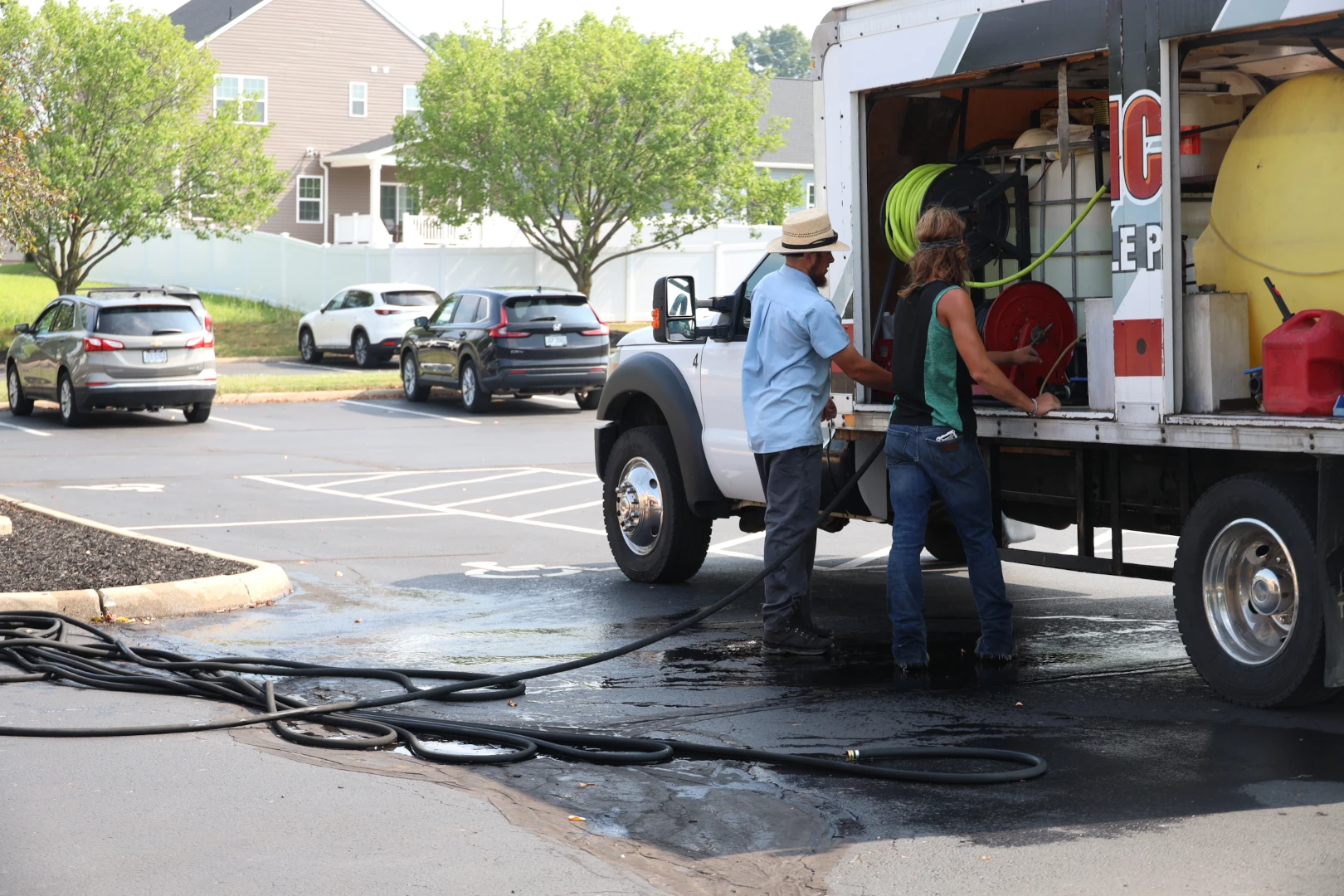
Mobile pressure washing offers a more convenient alternative by bringing cleaning equipment directly to an appropriate location at your business.
For companies managing several trucks or pieces of equipment, on-site service may help reduce unnecessary travel and simplify scheduling.
It can also make coordinating recurring cleaning more manageable, especially when vehicles operate on predictable schedules.
Whether you're maintaining delivery trucks, work vehicles, or a larger commercial fleet, professional mobile cleaning can be incorporated into your existing maintenance routine.
Commercial vehicle cleaning requires more than simply using a powerful pressure washer.
Although a commercial power washer can remove stubborn buildup, excessive pressure or improper techniques may damage paint, decals, seals, electrical components, and other sensitive areas.
Different vehicles and equipment require different cleaning approaches.
A professional semi truck wash should account for the vehicle's exterior materials, condition, and areas requiring extra care.
Experienced cleaning providers can select appropriate methods for removing grime while reducing unnecessary risks to the equipment being cleaned.
Businesses should also consider wastewater management and the requirements of the location where washing will take place.
There isn't one washing schedule that works for every fleet.
Vehicles that travel frequently on salted highways may require more attention than equipment that remains on private property or operates less often.
When determining a cleaning schedule, consider:
Fleet managers should prioritize removing heavy salt and grime buildup when conditions permit rather than relying on a fixed schedule that doesn't reflect actual use.
Winter conditions are unavoidable for businesses operating throughout Northeast Ohio, but allowing dirt, road salt, and grime to accumulate doesn't have to be.
Professional fleet power washing can help maintain vehicle appearance, remove corrosive contaminants, and support routine equipment inspections. Starting with a thorough cleaning before winter and maintaining a practical washing schedule during the colder months can make fleet care more manageable.
Buckeye Mobile Power Washing provides mobile cleaning services for businesses looking to maintain their trucks and equipment without unnecessary disruption to daily operations.
Prepare your fleet for the challenges ahead and keep your vehicles looking professional throughout the winter season.